
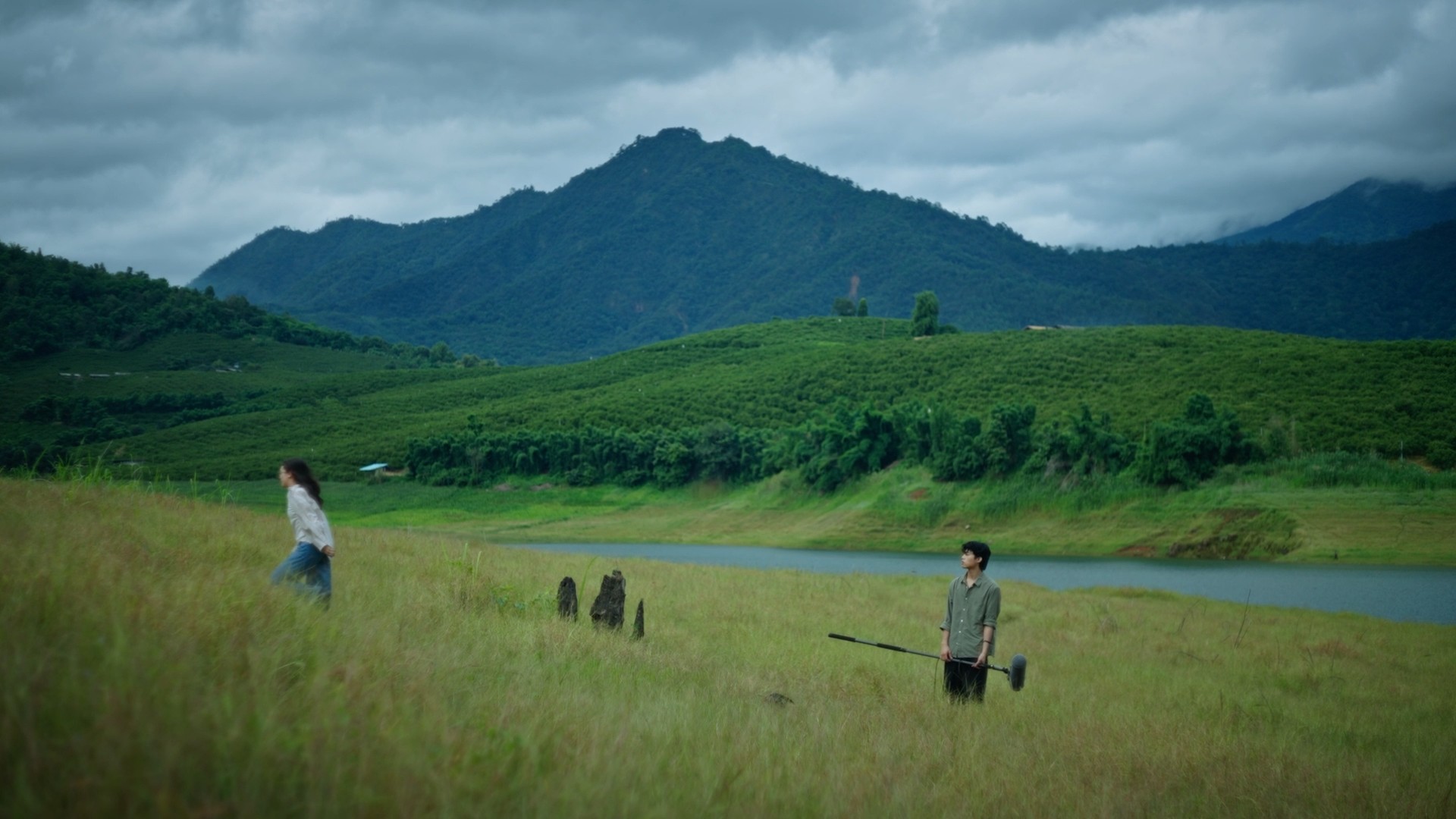
Chiang Mai has been home to 239 Studio for ten years, and we still get excited every time someone from abroad asks us about shooting here. The city sits in a valley surrounded by mountains, with temples, old town lanes, rice fields and forest all within a short drive of each other. If you are planning a shoot in northern Thailand, here is what we have learned that might help you plan.
1. Why crews come to Chiang Mai
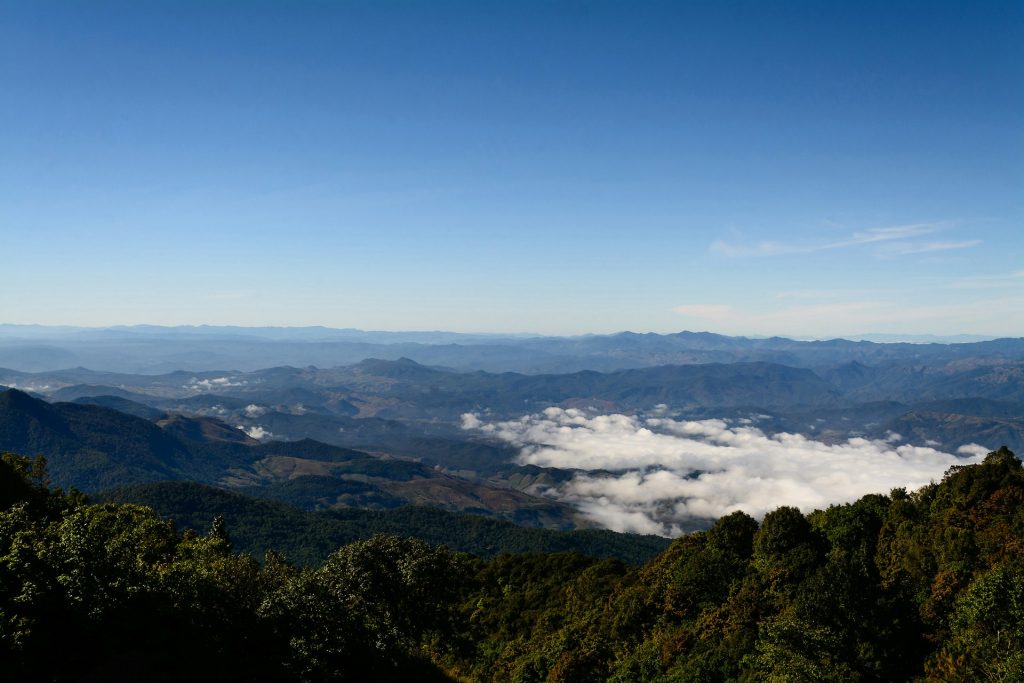
The biggest draw is variety in a small area. In a single day you can move from a quiet lane in the old city to a mountain road above the clouds, then finish at a modern cafe or a rice field at sunset. For music videos, commercials and documentaries that need several looks without a long company move, that range is a real gift.
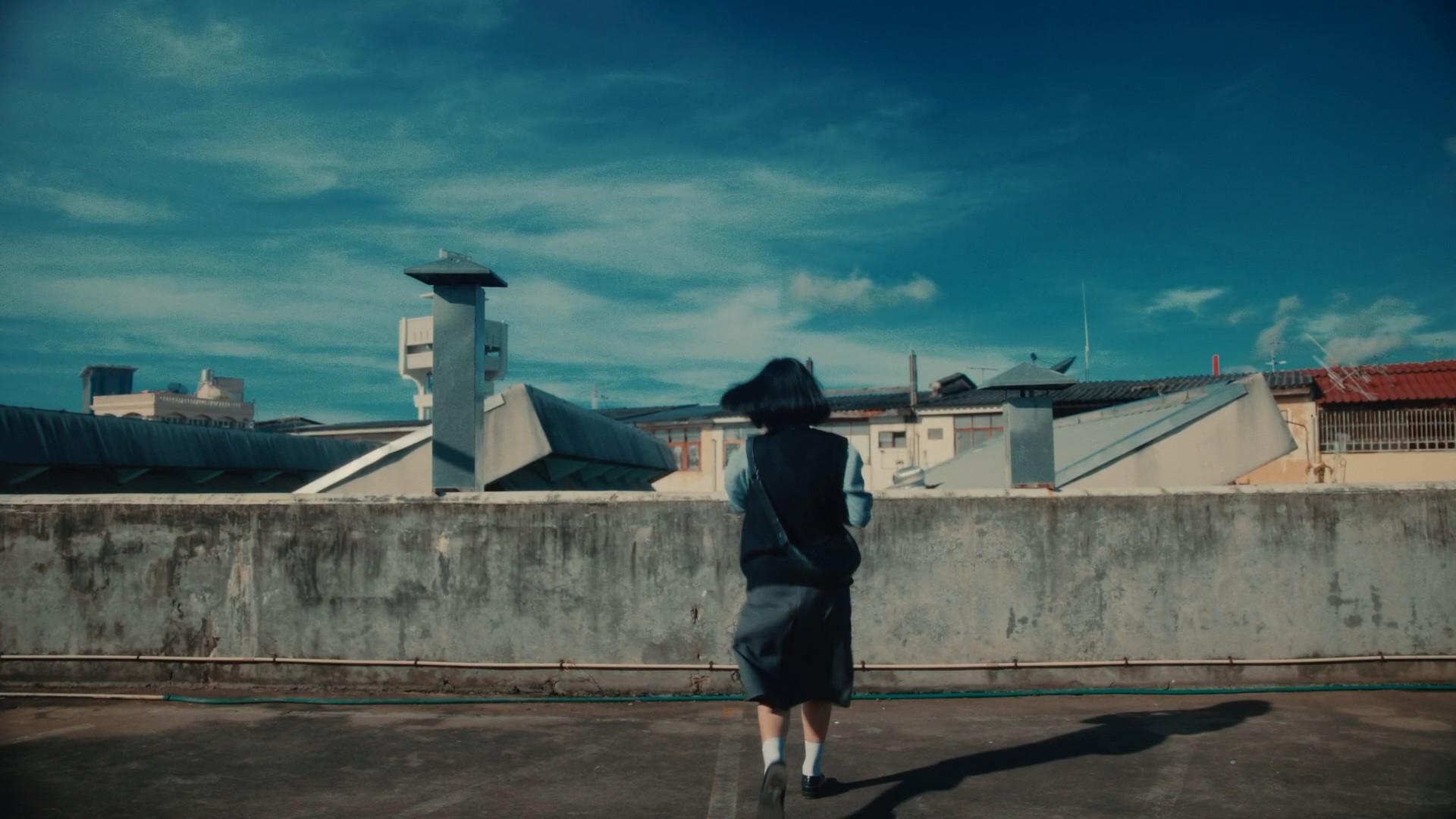
The city is also easy to reach. Most crews fly into Chiang Mai International Airport, about an hour’s flight from Bangkok.
2. Permits, the part to sort out first
Foreign productions filming in Thailand need a filming permit from the Thailand Film Office, and the application is made through a local coordinator who is registered with the Film Office. The coordinator prepares and submits the documents, such as the script or storyboard, and helps with the arrangements that follow.
The Royal Thai Embassy in London notes that a shooting permit takes at least 10 working days once the documents are submitted, so we always suggest starting this step early. Requirements can change, so it is worth confirming the latest details with the Film Office or your coordinator before you lock your dates.
If you are planning to shoot in Chiang Mai, our team is always happy to help coordinate things with you, so everything is done properly and you can focus on the creative side.
3. Choosing your season
Northern Thailand has three seasons, and each one gives you a different look.
- November to February is the cool season, with clear skies and comfortable temperatures. It is also the busiest time for travel, so book locations and accommodation early.
- February to April is often called the burning season. Smoke from agricultural fires can sit in the valley and soften mountain views, so we plan wide landscape shots carefully during these months.
- March to May is the hot season, with strong midday sun. Early mornings and late afternoons are your friends.
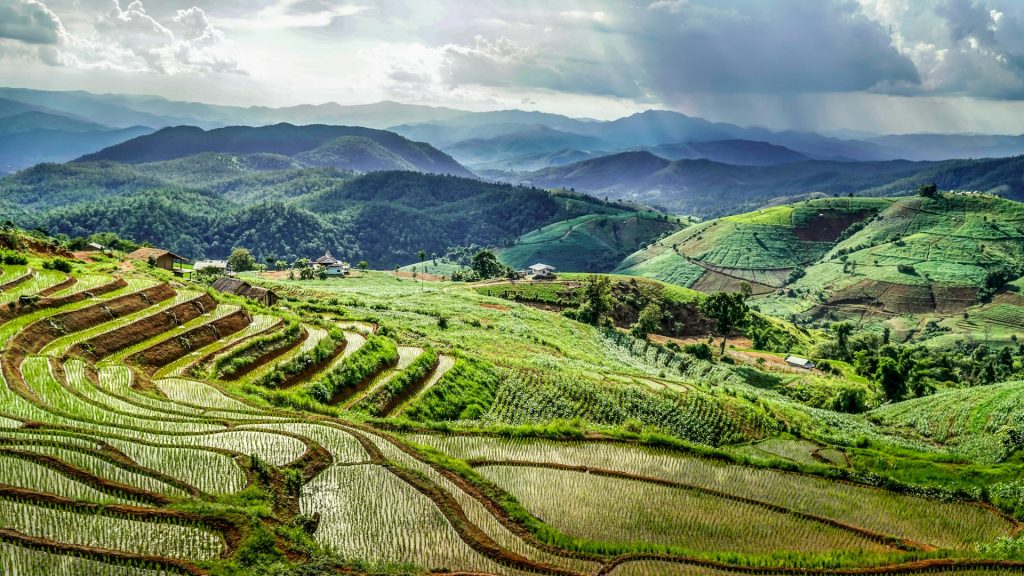
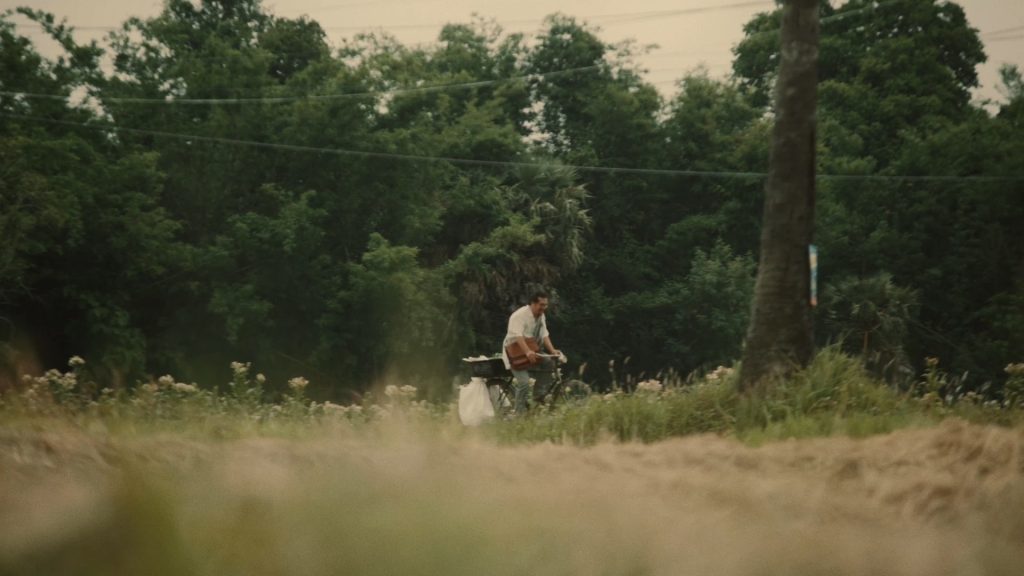
- June to October is the rainy season. Showers can come and go quickly, and the hills turn a deep green that looks lovely on camera.
4. Locations and getting around
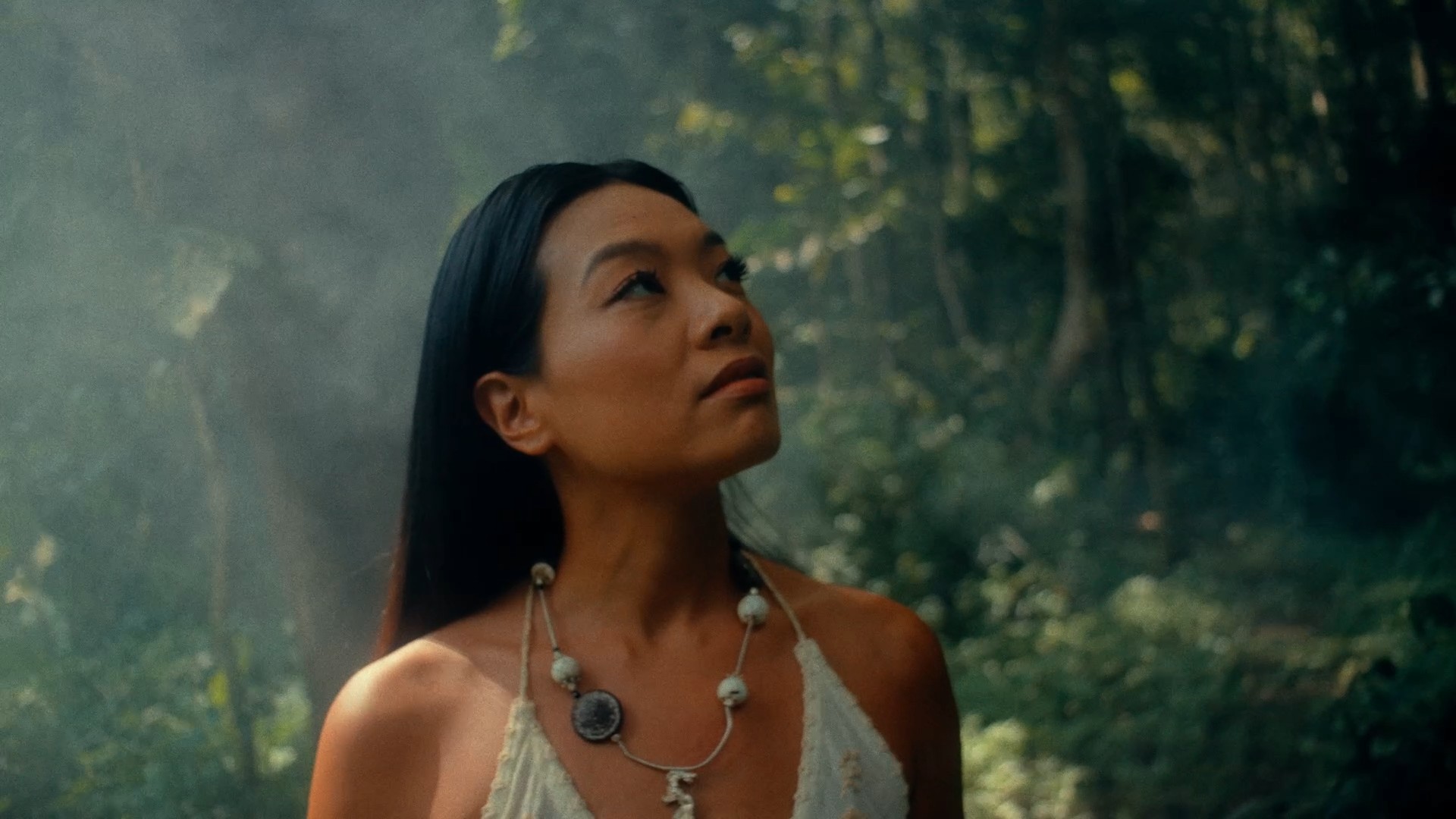
The old city, the mountains around Doi Suthep and the countryside outside town each have their own feel. Mountain roads take longer than the map suggests, so we usually group locations by area and keep travel days light.
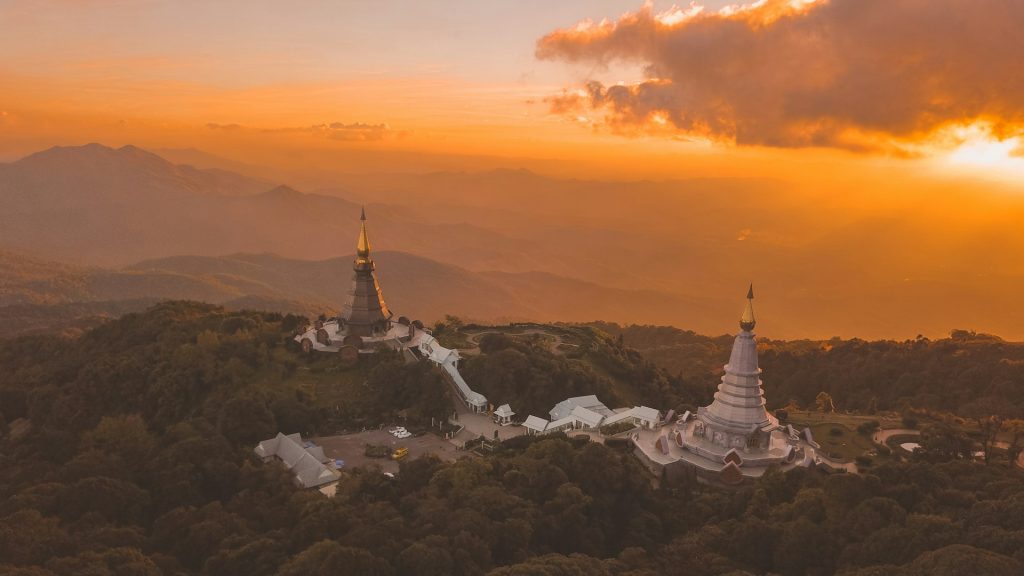
Temples are some of the most beautiful places to film here, and they are also places of worship. Permission comes first, and modest dress and quiet behaviour on set go a long way with the monks and the community.
5. Working with a local team
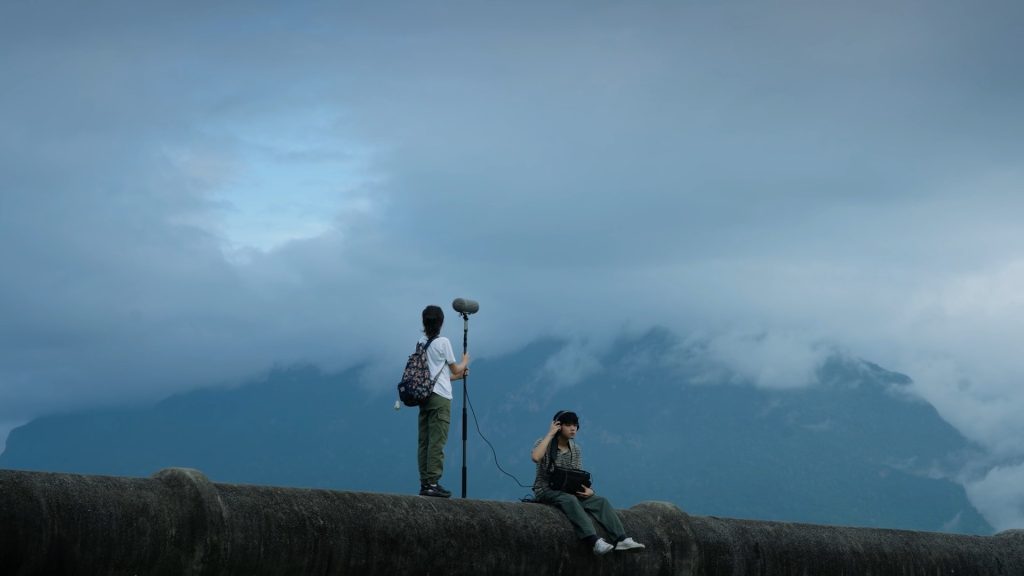
A local crew knows where the light falls at each time of day, which roads flood in the rain, and who to ask before rolling at a location. That knowledge rarely shows up in a portfolio, but it is often what keeps a shoot day calm.
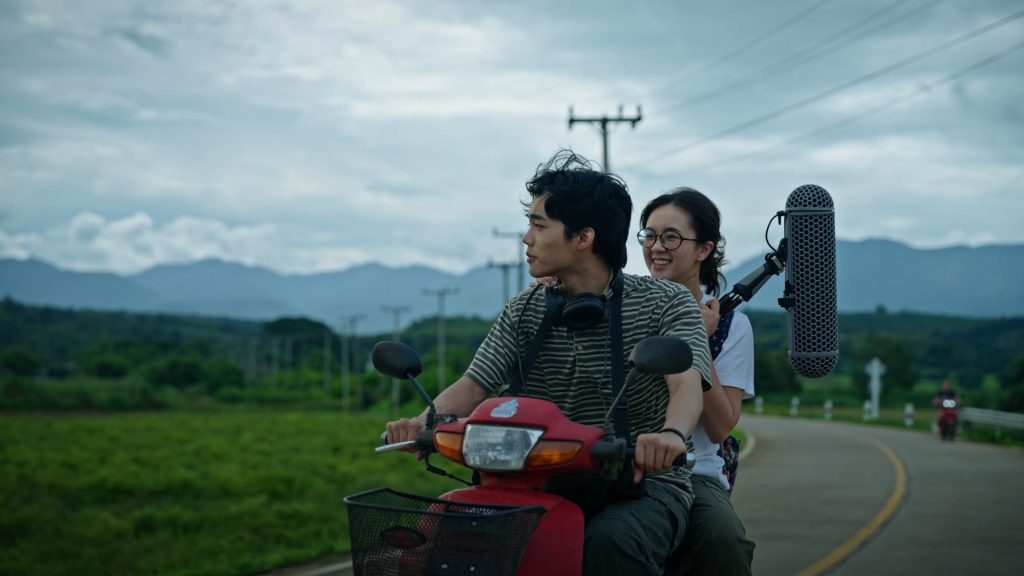
If it helps, we are always happy to share what we know about locations, crew and timing in Chiang Mai, and to talk through how we could work alongside your team. You can see some of the work we have made here on our Projects page.
Questions we hear often
Do I need a permit for a small crew? If you are filming video for commercial or broadcast use, plan on applying for one. The Thailand Film Office or a registered coordinator can confirm what applies to your project.
What is the best month to shoot? November to January usually gives the clearest skies, though every season has its own beauty depending on the look you want.
Planning a shoot in Chiang Mai, or just curious whether the city fits your story? Send us an email at [email protected]. We would love to hear about it.
Before We Roll